I. Industry Spotlight
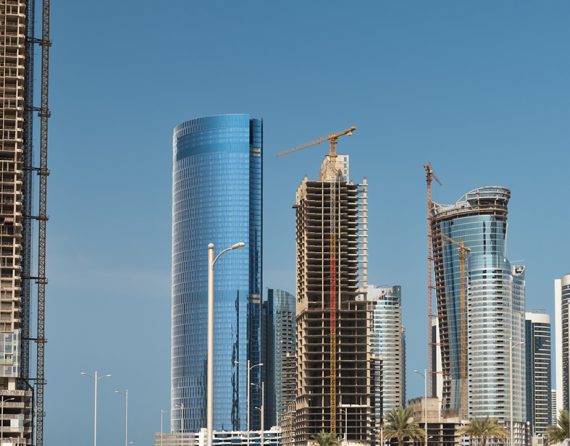
The hospitality and resorts sector across MENA continues its post-pandemic surge, driven by government investment, giga-projects, and new tourism targets that redefine the region’s travel landscape. Egypt, Saudi Arabia and the UAE all posted record tourism numbers in 2024. Egypt welcomed 15.8 million visitors (up 6 % year-on-year), surpassing pre-COVID levels. Saudi Arabia reached an unprecedented 160 million inbound and outbound trips in 2024, achieving its Vision 2030 goal seven years early and raising the 2030 target to 150 million annual visitors. Dubai hosted 18.7 million international tourists (a 9 % increase from 2019), and the UAE aims for 40 million hotel guests annually by 2031 under its national tourism strategy.
Behind this growth lies an aggressive development pipeline. Saudi Arabia alone plans to add over 230,000 hotel rooms by 2030, supported by global operators including Accor, Marriott, Hilton, and IHG. Egypt has launched 84 tourism investment projects adding roughly 48,500 rooms, mainly along the Red Sea and North Coast. Accor operates 41 hotels in KSA with 45 more in development, while Marriott’s pipeline of 40 projects (11,000+ rooms) introduces flagship brands like St. Regis and Ritz-Carlton Reserve to giga-projects.
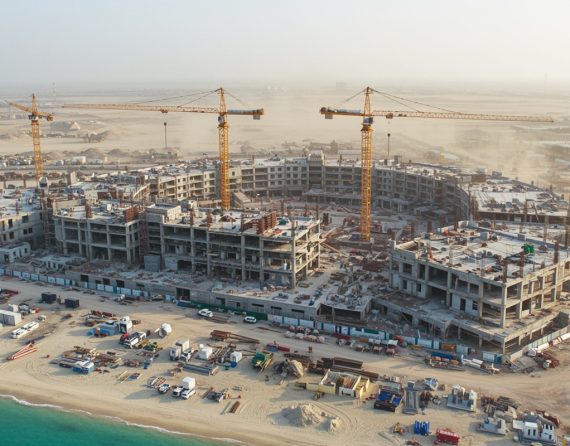
Saudi’s giga-projects embody its re-imagined hospitality vision. The Red Sea Project targets 50 resorts (~8,000 rooms) by 2030, powered entirely by renewables. Diriyah Gate, a US $63 billion heritage-inspired masterplan, includes 38 hotels. NEOM’s Sindalah Island and Trojena Ski Village represent futuristic destination models, while the UAE continues to elevate its luxury benchmark with Atlantis The Royal (Dubai) and Wynn Al Marjan Island—the region’s first casino resort (opening 2027). Egypt meanwhile expands cultural tourism through the Grand Egyptian Museum (2025) and new Red Sea zones co-financed by Gulf investors.
II. Macro Trends
- Three themes define MENA’s hospitality transformation: sustainability, digitalization and workforce localization.
- Governments now link financing to green-build compliance—Saudi’s Tourism Development Fund, for instance, mandates ESG standards. Eco-retreats and wellness resorts are proliferating as “responsible luxury” gains traction.
- Digital innovation complements this push: contactless check-ins, AI concierge tools and virtual-tour experiences are now mainstream, with Saudi’s Ministry of Tourism even launching “Sarah,” an AI tour-guide chatbot.
- Workforce challenges persist. Rapid expansion collides with localization mandates; KSA will require 30–100 % Saudization across tourism roles between 2026 and 2028. Operators must balance compliance with service standards while inflation and rising energy costs tighten margins.

III. Opportunities and Risks
1. Owner–Operator Conflicts: Long-term Hotel Management Agreements (HMAs) remain fertile ground for disputes. Owners fund assets seeking ROI; operators prioritize brand integrity and fee continuity. Friction emerges around base-fee structures (often charged on gross revenue despite losses), missed performance tests and unilateral spending. When profit targets fail, owners allege mismanagement and attempt termination for “material breach,” while brands invoke contractual protection. Most HMAs compel arbitration—typically under ICC or DIAC rules—making operator-owner disputes among the region’s costliest.
2. Delayed Delivery and Construction Claims: Ambitious schedules and supply-chain volatility plague mega-projects. Over 80 % of developers foresee disputes from delay and change-order claims. Contractors pursue extensions of time and prolongation costs, while owners counterclaim for defects or late completion. Compressed Vision 2030 timelines in projects like NEOM and Red Sea exacerbate this. Poor claim-notice administration under FIDIC compounds exposure, often escalating routine scheduling disagreements into full-scale delay arbitrations.
3. Performance Benchmarks and Franchise Failures: The region’s shift toward franchise and “manchise” models grants owners more control but new liability. Undefined KPIs, minimal performance tests, and brand-standard disputes are now common. Absent robust GOP-linked fee formulas, owners face limited recourse against underperforming operators. Termination for performance failure without clear thresholds invites lengthy arbitration; clear clause drafting is the best preventive remedy.
4. Regulatory Changes and Compliance Uncertainty: Frequent legislative reforms reshape obligations. Saudi’s Tourism Law (2023) requires all foreign operators to establish local entities, prompting contract revisions and compliance reviews. In the UAE, new corporate-tax rules, Emiratization targets, and sustainability mandates alter cost-sharing arrangements. Environmental restrictions—such as coral-reef protection zones—trigger change-in-law debates, while Egypt’s older resort projects face retrofitted environmental standards.
5. Labour and Immigration Issues: Expanded Saudization quotas, shifting visa regimes and compliance penalties heighten employment-related risk. Delays in work-visa issuance or nationality quotas have stalled projects, producing claims for force majeure or change-in-law relief. Fines for undocumented or excess foreign staff often translate into indemnity fights between owners and operators.
6. Force Majeure and Pandemic Legacy: COVID-era disputes remain active. Force-majeure terminations, rent-suspension claims, and insurance recoveries continue to populate arbitration dockets. Many HMAs drafted pre-2020 lacked pandemic clauses, leaving gaps now litigated retroactively. Tribunals are scrutinizing whether the pandemic qualified as an unforeseeable event and whether obligations to mitigate losses were met.
7. Enforcement and Cross-Border Challenges: Even when awards are secured, enforcement can stall. Although Saudi, UAE and Egypt are New York Convention signatories, practical obstacles persist: local-court delays, public-policy objections, or state-linked counterparties. Recent reforms—Saudi’s specialized Enforcement Courts and the UAE’s streamlined award recognition—have improved reliability. Still, investors increasingly negotiate bank-guarantee and escrow mechanisms at contract stage to mitigate enforcement risk.

IV. Regulatory & Legal Updates
Egypt
Egypt is modernizing its tourism and hospitality framework through a wave of regulatory reforms. The Hotel and Tourist Establishments Law (Law No. 8 of 2022) and its executive regulations, effective 2023, replace outdated rules from 1973 and introduce “one-stop accreditation offices” to simplify hotel licensing. Licensing fees now range from EGP 1,000 to EGP 1 million, scaled by property size, with a one-year grace period for existing hotels to regularize.
The Ministry of Tourism has also unveiled an investment map of 84 tourism projects expected to add 48,500 hotel rooms, particularly on the Red Sea coast. To attract capital, Egypt amended the Investment Law’s executive regulations, granting tax holidays and customs exemptions for projects in designated development zones.
On dispute resolution, Egypt remains a pro-arbitration jurisdiction. The Cairo Regional Centre for International Commercial Arbitration (CRCICA) reports rising hospitality-related cases, and courts routinely uphold arbitral awards. Proposed amendments to the 1994 Arbitration Act would introduce emergency arbitrators and digital filing provisions. PPP frameworks for resort development now routinely require amicable settlement and CRCICA arbitration clauses to reassure investors.
Saudi Arabia
Saudi Arabia’s hospitality sector operates within a rapidly evolving legal ecosystem under Vision 2030. The Tourism Law (Royal Decree No. M/10 of 2022), effective March 2023, mandates that foreign hotel operators establish an on-shore legal entity and obtain a Ministry of Tourism license. Non-compliant operators face fines or closure; enforcement has already led to an 89 % increase in licensed facilities in 2024.
The Kingdom’s Draft New Arbitration Law (2025) will replace the 2012 framework and introduce modern features:
- Recognition of electronic hearings and e-awards,
- Stronger interim-measure enforcement
- Provisions for emergency arbitration.
These updates align Saudi practice with UNCITRAL standards and strengthen investor confidence. The Saudi Centre for Commercial Arbitration (SCCA) complements this shift with its 2023 Arbitration Rules, which include expedited procedures for claims under SAR 4 million and allow third-party funding. Cooperation with ICSID further cements Saudi Arabia’s ambition to become a regional arbitration hub.
United Arab Emirates
The UAE continues to refine its legal infrastructure for hospitality and dispute resolution. DIAC’s 2022 Rules introduced joinder, consolidation, expedited proceedings and emergency arbitrators—critical for complex, multi-party hotel disputes. The ADGM Arbitration Regulations 2023 clarified confidentiality and approved third-party funding, bolstering Abu Dhabi’s attractiveness as an arbitration seat.
Tourism governance has also advanced. The federal National Tourism Strategy 2031 harmonizes hotel-rating standards and requires sustainability certification. Ras Al Khaimah’s Balanced Tourism Program mandates eco-certification for new resorts, while the General Commercial Gaming Regulatory Authority (GCGRA) established in 2023 issued the first casino license to Wynn Resorts RAK (2024). Dubai’s authorities now enforce Emiratization quotas and cultural-code compliance for hospitality advertising.
Broader GCC and International Developments
Beyond the three focus markets, Qatar’s 2021 Arbitration Law and Oman’s 2023 Tourism Law both simplify foreign-ownership and dispute-resolution pathways. Globally, ESG disclosure laws such as the EU Corporate Sustainability Reporting Directive (CSRD) will cascade compliance obligations onto MENA hotel operators.

V. Enforcement Trends & Penalties
Tougher Regulatory Penalties: Authorities are tightening compliance enforcement. In Saudi Arabia, the Ministry of Tourism imposes fines of up to SAR 500,000 and closure orders on unlicensed hotels. Egypt’s 2023 Hotel Law similarly penalizes breaches such as operating without license renewal or failing hygiene standards. Disputes often arise over who bears liability—owners or operators—when penalties are triggered by administrative lapses.
Rise of Digital Oversight: Governments increasingly monitor hospitality activity via digital portals. The UAE’s centralized e-guest registration system links hotels with immigration and police databases, generating automatic penalties for reporting delays. Saudi Arabia’s E-Licensing platform has processed thousands of tourism licenses since 2024, improving transparency but also increasing the likelihood of disputes over system-generated infractions. Dubai’s Department of Tourism operates e-litigation committees for timeshare and holiday-home disputes, issuing binding rulings online. Egypt’s Tourism and Antiquities Minister Sherif Fathy announced that the country will soon regulate listings on the home-rental platform Airbnb. The regulations will cover serviced apartments, rental properties and even shared homes / private rooms, with the goal of bringing them under the ministry’s supervision. A new accreditation system will mark compliant hosts and properties, ensuring clearer standards of cleanliness and safety for travelers.
Cross-Border Award Enforcement: While award enforcement under the New York Convention is improving—especially in Saudi Arabia’s Enforcement Courts and UAE civil courts—challenges persist when awards involve state-owned entities or real-estate restrictions. Public-policy objections and procedural-step disputes remain common grounds for resistance. Parties now pre-empt risk by embedding security instruments (escrow, guarantees or sovereign-immunity waivers) directly into their hotel contracts.
Criminal and Consumer-Protection Exposure: Hospitality compliance breaches may entail personal criminal liability. The UAE penalizes managers for fire-safety or public-health violations leading to injury, while Saudi Arabia enforces anti-bribery and procurement-integrity rules within tourism licensing. Consumer agencies in Egypt and the UAE are also pursuing hotels for misleading advertising and hidden fees, often mandating refunds and public notices.
Execution Challenges: Even after a favorable award, converting it to cash remains difficult where hotel assets are immovable or legally protected. Investors increasingly pursue bank-account garnishments, receivables attachments or cross-border enforcement against parent companies. These realities underscore the importance of contract-stage enforceability planning—choosing arbitration seats, asset, and governing law strategically to avoid “paper victories.”

VI. Our Thoughts on Industry Trends
Mega-Resorts, Mega Risk: How International Arbitration Shapes Giga-Projects
Giga-projects across the Gulf—NEOM, Red Sea Global, Diriyah Gate and AlUla—are transforming global tourism, but their size and complexity introduce unprecedented risk. Each development involves multi-party contracts between sovereign funds, global contractors and hotel operators. Typical disputes arise from scope changes, delays and cost overruns, often exceeding US $100 million in claims. Research shows that MENA mega-projects overrun schedules by over 80 % on average, placing arbitration at the center of project governance.
International arbitration provides the neutral platform necessary for this ecosystem. Multi-contract consolidation, joinder of related parties and tiered dispute-resolution clauses (negotiation → mediation → arbitration) now feature in most giga-project contracts. Institutions such as the SCCA and ICC report a growing caseload of tourism and construction disputes linked to Vision 2030 initiatives.
Forward-looking stakeholders are integrating arbitration readiness into their contracts—defining governing law, seats, and even fast-track mechanisms for smaller claims. Some giga-projects include Dispute Boards for real-time decisions, reserving arbitration for high-value or post-completion disputes. Early procedural design prevents costly gridlock and keeps projects moving.
Practical Insight: Mega-project risk demands proactive legal engineering. Investors and developers should draft multi-tier clauses, provide for emergency relief and engage arbitration experts during contract formation. Arbitration here is not an afterthought, it is part of risk management and delivery governance. 💡 Continue reading…
VII. Franchise vs. Owner: Arbitration Hotspots in Hotel Management
The surge of international brands entering MENA through Hotel Management Agreements (HMAs) and franchise deals has intensified disputes between owners and operators. HMAs, often spanning 20–30 years, tilt operational control toward the brand, creating recurring flashpoints over fees, budgets and performance standards.
Owners accuse operators of prioritizing brand equity over profitability; operators defend discretion under brand standards. Performance clauses—if weak or absent—leave owners trapped in underperforming contracts. Conversely, unilateral terminations by owners often trigger multi-million-dollar arbitration for lost future fees.
Tribunals increasingly dissect operating data (RevPAR, ADR and GOP margins) and comparative-set benchmarks to test allegations of mismanagement. Modern HMAs now include performance termination clauses, cure periods and budget-approval rights to balance control.
Practical Insight: Clear drafting and rigorous record-keeping prevent disputes. Owners must follow contractual notice and cure steps precisely; operators should maintain transparent reporting and stakeholder communication. Arbitration should remain the last resort after structured dialogue and mediation. 💡 Continue reading…

VIII. Building the Contractual Ecosystem: ADR’s Expanding Role
MENA hospitality contracts are increasingly adopting multi-tier dispute-resolution systems, requiring mediation, expert determination or Dispute Boards before arbitration. This shift reflects pragmatic recognition that long-term hotel relationships suffer when conflicts escalate publicly.
In PPPs and joint ventures, clauses often mandate steering-committee negotiation, followed by institutional mediation (ICC, SCCA) before arbitration. FIDIC-style Dispute Adjudication Boards (DABs) are now standard in major resort construction contracts across the UAE and Qatar. Early neutral evaluation has resolved many budget and design disputes without arbitration.
Mediation’s acceptance is also growing under frameworks such as the UAE Federal Mediation Law (2021) and the DIFC Mediation Program. Vision 2030 officials in Saudi Arabia now encourage mediation to preserve project continuity, while CRCICA and DIAC promote it as a fast and confidential tool for commercial settlements.
Practical Insight: Contracts should specify a clear escalation ladder—negotiation, executive discussion, mediation, then arbitration—each step time-bound and enforceable. Well-designed ADR ecosystems prevent disruptions and preserve relationships. 💡 Continue reading…
IX. New Laws, New Rules: What the 2025 Arbitration Reforms Mean
A wave of arbitration reforms across MENA is reshaping how hospitality disputes are resolved.
Saudi Arabia’s Draft Arbitration Law (2025) modernizes the framework by recognizing virtual hearings, electronic awards, and offering a broader spectrum of arbitrator qualifications. These updates expand the pool of expert arbitrators and streamline enforcement of interim measures—critical for hotel and construction disputes.
The UAE’s DIAC 2022 Rules and ADGM 2023 Regulations have elevated institutional standards to global levels, providing consolidation and emergency procedures ideal for multi-contract hospitality cases. In Egypt, proposals to amend the 1994 Arbitration Act to allow emergency arbitrators and third-party funding signal further alignment with international best practice.
Across all three jurisdictions, new investment laws explicitly preserve the right to international arbitration for foreign investors. This legal trend enhances predictability for resort developers and hotel chains entering the region.
Practical Insight: Hospitality stakeholders should audit existing contracts and modernize arbitration clauses to reflect these reforms. Specify updated institutional rules (SCCA 2023, DIAC 2022 and CRCICA 2022), recognize interim relief, and ensure clauses designate seats and languages clearly. 💡 Continue reading…

X. Why Legal Expertise Matters
In the modern MENA hospitality ecosystem, legal strategy is as critical as brand positioning or financing. Projects routinely combine construction, franchise, employment, land lease and investment law—a web requiring counsel with cross-disciplinary fluency.
Specialized legal expertise ensures contracts are enforceable, compliant and arbitration-ready. Well-drafted agreements define performance metrics, allocate ESG responsibilities, and integrate dispute-resolution frameworks aligned with local laws.
Arbitration proficiency offers tangible value even before disputes arise. Firms versed in institutions such as SCCA, DIAC and ICC craft arbitration clauses that protect clients from procedural pitfalls—choosing optimal seats, arbitrator profiles and governing law. In one landmark case, a Cairo hotel owner secured a favorable UNCITRAL award worth over US $60 million after termination during political unrest, demonstrating the power of precise drafting and arbitration advocacy.
Beyond private disputes, expert counsel safeguards sovereign-risk exposure. Structuring investments through treaty-protected jurisdictions ensures recourse to investor-state arbitration if a government rescinds licenses or alters land-use terms.
Preventative lawyering—anticipating regulatory shifts, ESG mandates and localization rules—reduces litigation risk. Seasoned hospitality lawyers identify vulnerabilities early (e.g., ambiguous performance clauses or unenforceable fee structures) and amend contracts before conflicts mature.
Youssef + Partners embodies this integrated approach. Our ethos — “think arbitration at the contract stage”—reflects the region’s realities: disputes are inevitable, but outcomes depend on foresight. With billions invested in mega-destinations and luxury resorts, legal architecture is the foundation of sustainable hospitality growth.
XI. Practice Highlights
Landmark Hotel Management Arbitration – Cairo, Egypt
- Youssef + Partners acted for the owner of one of Cairo’s premier hotels in a US $60 million UNCITRAL arbitration against an international operator following Egypt’s 2011 Revolution. The dispute centered on termination rights, force majeure and operational control during civil unrest. The tribunal found the operator had materially breached its duties and upheld the owner’s right to terminate, allowing rebranding of the property. The case remains a reference point for force-majeure interpretation and contractual frustration under Egyptian law.
Resort Construction Arbitration – Red Sea Coast, KSA
- Representing a Saudi developer, the firm prevailed in an ICC arbitration concerning delay and cost-overrun claims at a flagship Red Sea resort. Leveraging FIDIC provisions and rigorous delay analysis, Youssef + Partners demonstrated the contractor’s failure to give timely notice and mismanagement of site logistics. The tribunal largely dismissed the contractor’s claims, awarding substantial damages and confirming lawful termination, later enforced successfully before Saudi Enforcement Courts.
Cross-Border Award Enforcement – UAE & Egypt
- For a GCC-based investment group, Youssef + Partners enforced a London-seated ICC award (≈ US $15 million) against an Egyptian developer. Through proactive filings before the Cairo Court of Appeal and asset tracing, the firm secured recognition and attachment over hotel-equity assets in Sharm El Sheikh. The debtor ultimately settled in full, demonstrating Egypt’s improved enforcement climate under the New York Convention.
ESG & Regulatory Compliance Settlement – Ras Al Khaimah, UAE
- Advising a global operator facing fines for new environmental-safety mandates, the firm negotiated a tripartite settlement among owner, operator and the tourism authority. By reallocating upgrade costs and leveraging available green-certification incentives, Youssef+Partners resolved the dispute without arbitration, preserved the relationship and set a model ESG clause now used in multiple regional HMAs

XII. Closing Note
The MENA hospitality industry’s trajectory remains robust anchored in Vision 2030, digital transformation and post-pandemic recovery. Yet, as capital inflows rise, so too does legal exposure. Dispute readiness, contractual precision and regulatory vigilance are now core to strategic advantage.
Youssef + Partners continues to counsel clients navigating this intersection of tourism growth and legal complexity, offering expertise that transforms potential conflict into long-term resilience.